To view a year-by-year photo history of the changing face of the Wetland, click the button below.
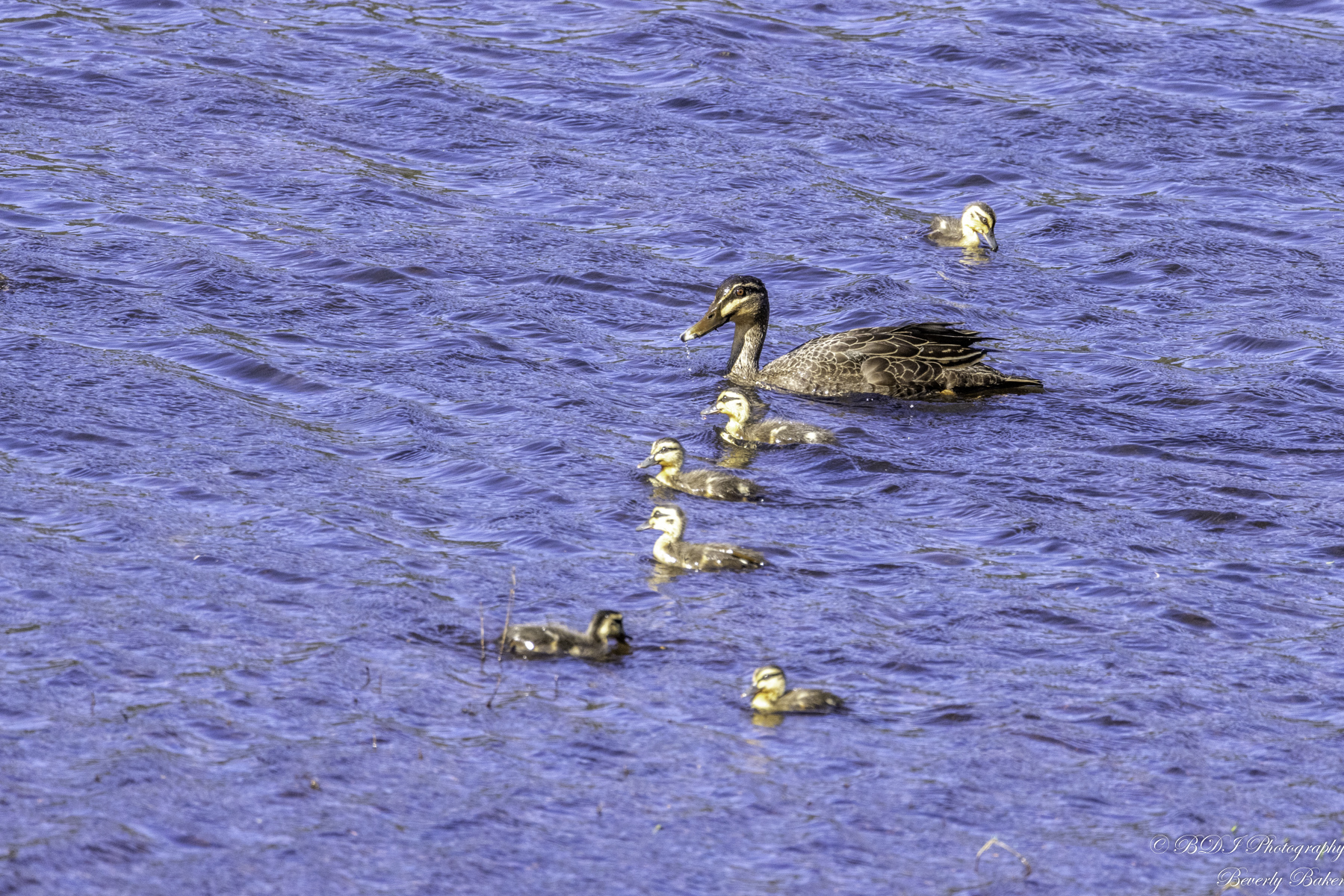
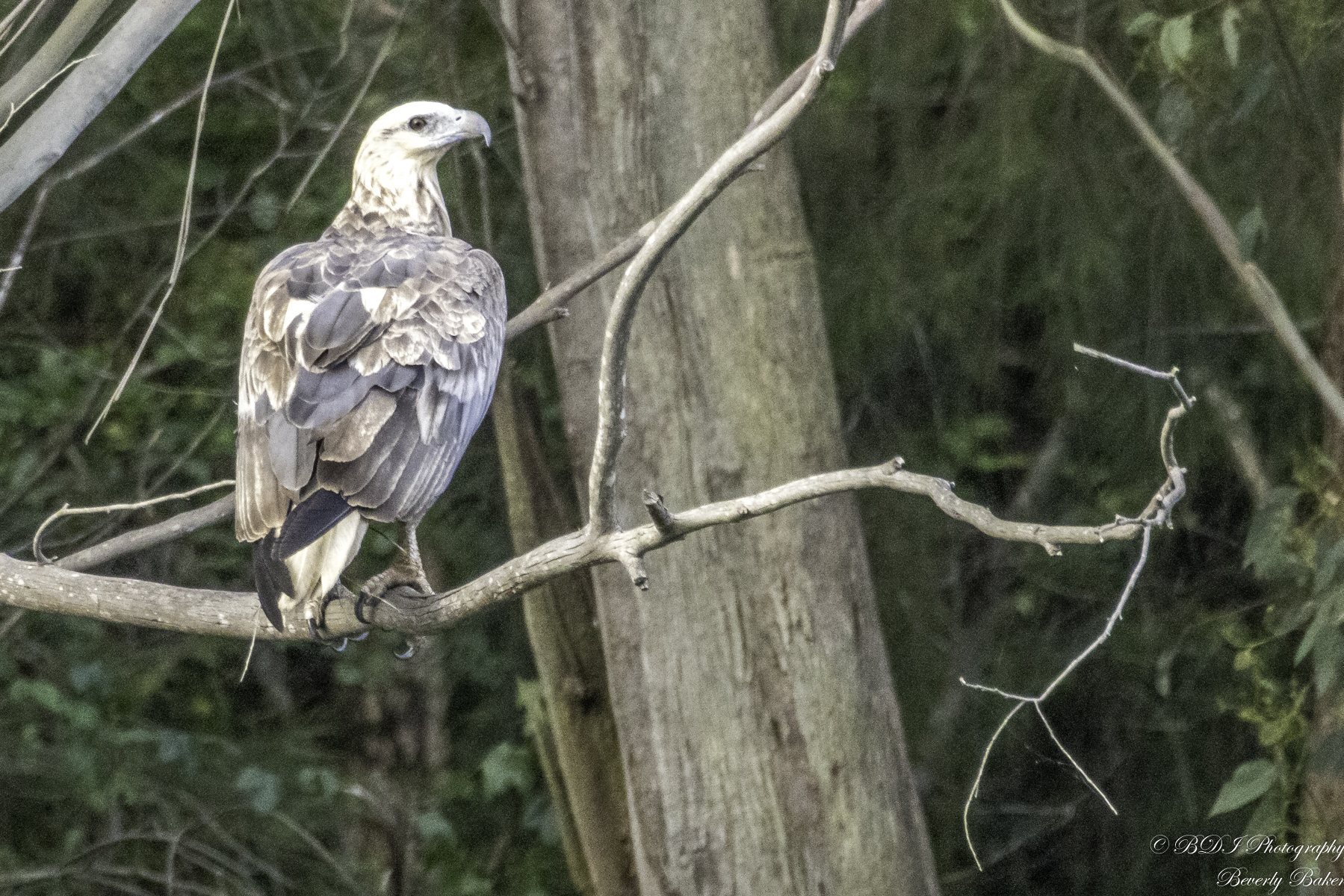
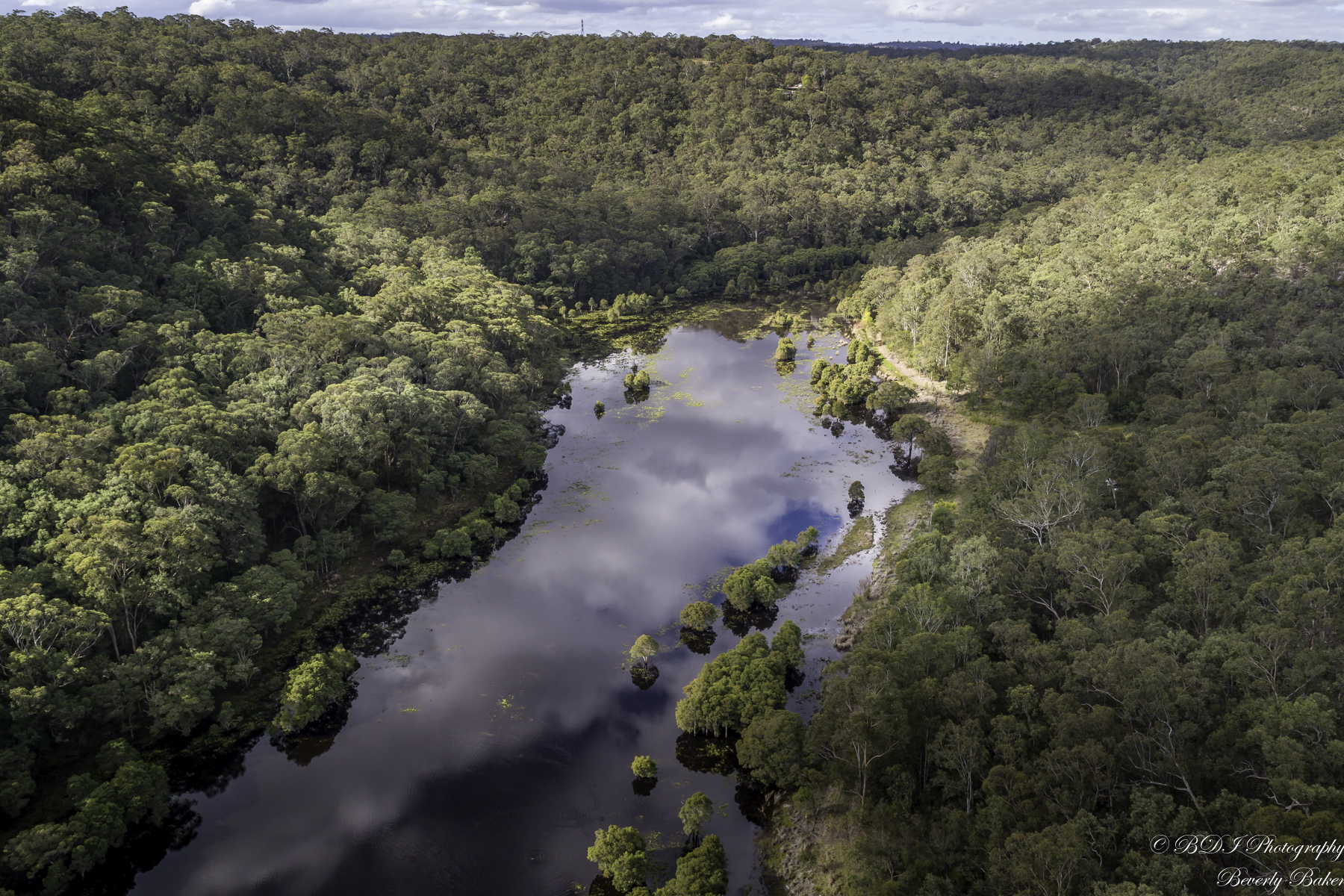
During this time the Wetland has faced many challenges. We have had the great floods (>10m) of 1975, 1978, 1986, 1988 (2), 1990, 1992, 2021, and 2022 (2). The thirty-year gap between 1992 & 2021 reflects the 30-40year cycle of wet and dry periods in the Sydney Basin. We may be entering a new wet period now. Any flood over 3.1m overflows the riverbank and fills the Wetland from the River, bringing debris, seeds, weeds, and aquatic animals not native to the area. Fish, including invasive species, survive and breed until the next drying-out, creating a rich food source which attracts pelicans, cormorants and sea eagles., but also, in the case of carp, bringing water turbidity issues.
There have also been the great droughts of 1982-83, the Millennium Drought 1997-2009, and again in 2017-19. As a generally permanent wetland, Blundell’s Swamp can still be completely dry during severe drought (eg 2002-3), but is mostly present in reduced form. Restoring natural hydrology would return the wetland to its fully permanent state. Climate change can be expected to increase the severity of droughts and flooding.
There have also been the battles with human adversaries. A Council-approved soil mine operated from 1978 into the early 1990s, devastating the headwaters. Long-abandoned agricultural drainage was re-opened by Council and neighbours in 1990, completely draining the Wetland. A vigorous dispute raged for several years, ending not in victory, but in a standoff yet to be resolved. The current maximum water level stands at 2.1m, one metre below the natural maximum of 3.1m+/-0.1m.
A serious impediment to restoring the natural hydrology is that the road crossing, an essential link along the foreshore of the River, has been built below the full level, making restoration impossible without raising the road. We have recently begun to plan a Community Initiated Capital Works project to design, fund, and build an improvement to raise the road to 3.2m AHD.
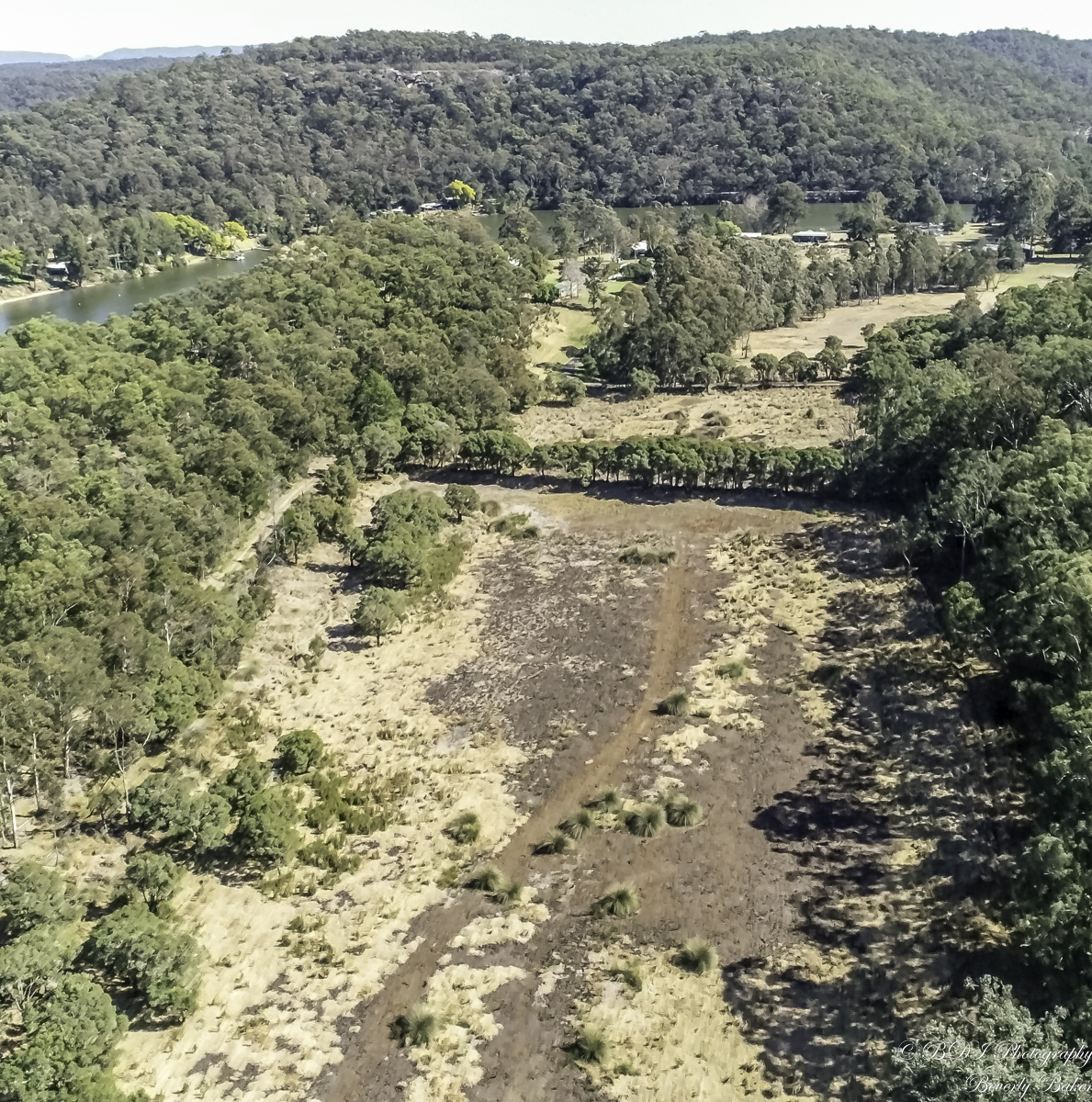
Another neighbour started a horse-riding business in 1980 on 3ha, using our land as horse trails. This caused a massive incursion of weeds on the flat, especially lantana, paspalum, and pampas grass continuing until today and deep eroded gullies on the hillsides. More recently a neighbour’s unfenced goats caused major destruction of bushland and had to be removed by hunters when all requests were ignored. All of these threats have been countered by hard-fought campaigns, the personal and financial costs of which have been borne by individuals.
Recognising the need to protect our Wetland from continuing threats, we have tried to purchase as much of the catchment as possible, but have been unable to get Council approval for the necessary subdivisions despite the costly involvement of planning consultants, surveyors, and lawyers.
Being a custodian is a hard, expensive, and frustrating experience, but we are as determined as ever that this, one of the last remaining relatively intact wetlands in the Hawkesbury, will have its natural hydrology restored, and will continue to be protected into the future.